

I wanted in this post to think about the source(s) of evil, given it cannot be supernatural. However, defining evil isn’t as straightforward as I anticipated. The Oxford English Dictionary offers ‘Profoundly immoral and wicked’ while Merriam Webster goes for ‘morally reprehensible: sinful, wicked.’ Other dictionaries also mention both immorality and wickedness, replacing one concept in need of explanation with two. ‘Wicked’, it seems to me, is synonymous with evil, which doesn’t get us any closer to defining it. There are problems with ‘immorality’ too, as what constitutes immorality is frequently culturally determined.
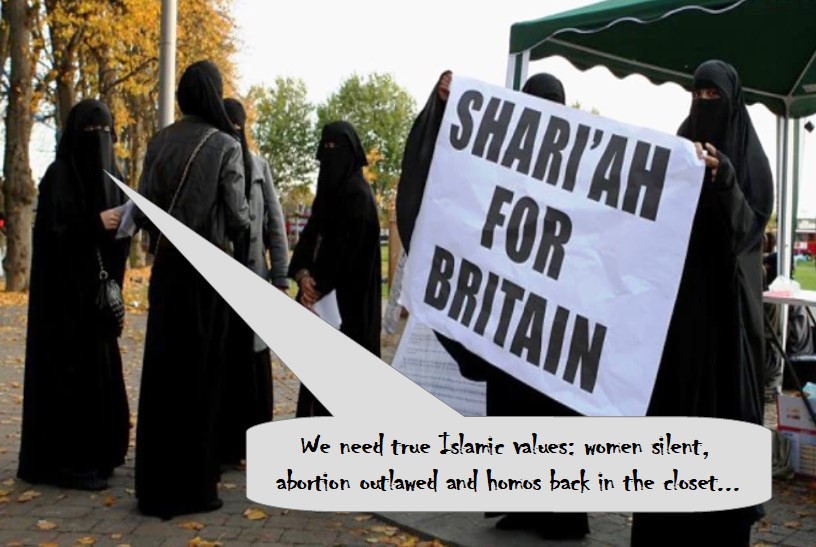
Evangelicals, for example, regard same-sex relationships as immoral (so that’s me told) as is sex outside marriage. When I was involved in the church, dancing, drinking and listening to rock music (with all its backward messages!) were anathema. In some countries today many of these behaviours attract the attention of so-called morality police and are punishable by death (how moral is that!) Then there are those who fail to keep their word. Within months of being elected, the UK government under Keir Starmer has reneged on almost every promise they made prior to the election. Everyone expects politicians to lie so perhaps allowing ourselves to be duped by them means they’re not entirely responsible. Let’s not forget too that for some, eating meat is immoral, as is using fossil fuels. Our eating meat and our burning fossil fuels, that is.
So, are the practitioners of such relatively low-level, and disputed immoral acts – being gay, having non-marital sex, drinking and dancing, lying, using oil, eating meat – actually evil? Are women who have abortions, and the people who carry them out, evil? Of course not. It’s debatable whether some of these behaviours are immoral to begin with, but even if they are, immorality does not always equate with evil. I would argue that while all truly evil acts must, by definition, be immoral, not all (supposed) immorality is evil. Somehow personal immorality lacks the scale and awful consequences of true evil.
The Sanford Encyclopaedia of Philosophy is much nearer the mark when it comes to defining evil:
Evil must involve harm, and it must be serious enough to damage its victims’ capacity to function normally… Furthermore, the harm must be unjustified…
I’ll adapt and paraphrase this as ‘the malicious and unnecessary inflicting of harm on others’ to give us a working definition of evil.
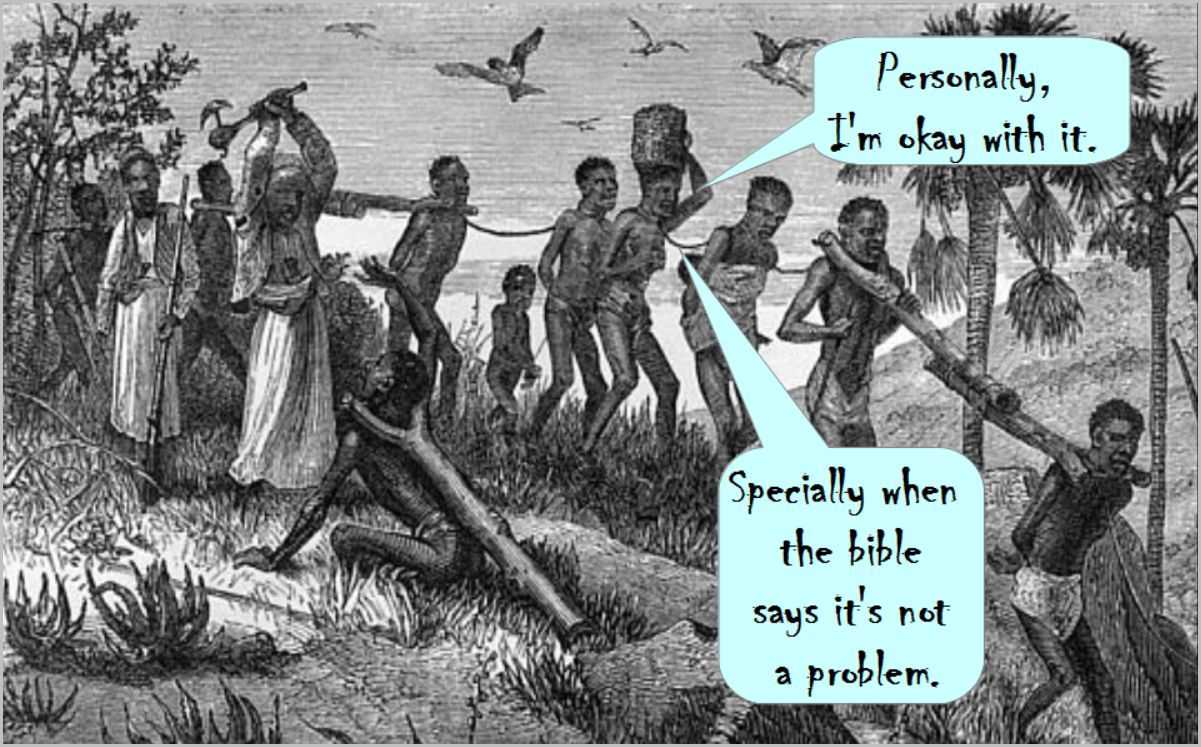
So, who qualifies? Hitler obviously. Putin certainly. Other oppressive regimes. Murderers. Hamas. Child abusers. The gangs who have raped very young girls in numerous UK cities. How about the God of the Old Testament? He orders the cruel deaths of Israel’s enemies (Deuteronomy 7), promotes the smashing of babies’ heads against rocks (Psalm 137:9) and orders the taking of prison-of-war virgins as sex slaves (Numbers 31: 17-18). Later, Jesus – like father, like son – relishes the opportunity to put his enemies to the sword (Luke 19:27) and orders those who don’t believe in him be consigned to hell where they’ll be tortured forever (Matthew 25: 41-46). This is evil by any definition.
So, given there isn’t a God nor a heavenly Jesus, from where does evil originate? I’ll get to that, at last, in the next post.




 rejectingjesus,